Acupuncture for Anxiety, Depression & Insomnia
A quiet hour that helps reset an overworked nervous system — and herbs that keep the balance between visits.
Emotional health acupuncture: key facts
- We treat
- Anxiety and panic attacks, stress, depression, insomnia, palpitations, fatigue and exam or performance stress.
- Approach
- Calming acupuncture, individualized herbal formulas, auricular (ear) points and simple breathing or Qigong practices.
- What it feels like
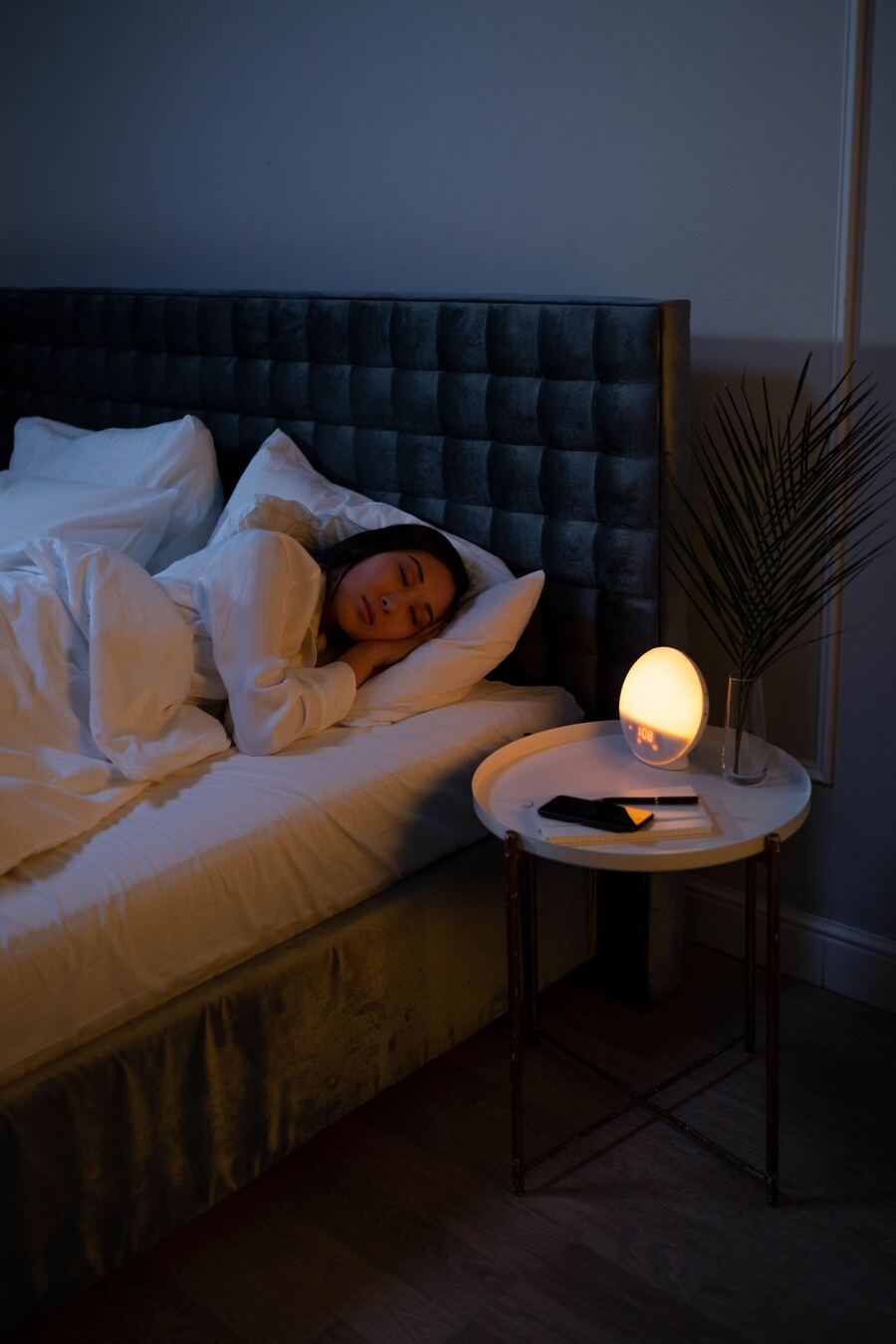
- Deeply relaxing — many patients fall asleep on the table.
- Medication
- Acupuncture can be used alongside medication. Never stop psychiatric medication without your prescriber.
- In a crisis
- If you are thinking about harming yourself, call or text 988 (Suicide & Crisis Lifeline) or 911 immediately.
Calming an overworked nervous system
The American Medical Association has estimated that stress is a factor in a large share of all illness, and anxiety, depression and insomnia are on the World Health Organization's list of conditions acupuncture may help. In Chinese medicine, emotional health is never separate from physical health: sleep, digestion, heart rhythm and mood all reflect the same underlying balance.
Acupuncture is one of the few treatments that is calming while it happens. You rest in a quiet, warm room for 20–30 minutes while the needles do their work. Over a course of care, patients typically describe falling asleep more easily, waking less, worrying less and feeling more like themselves.
Herbal medicine extends that balance between visits. For Alicia K., 26, panic attacks and anxiety had taken over daily life, with palpitations, insomnia and constant worry. With acupuncture and traditional herbs, the anxiety and panic slowly diminished. "I am happy to say that all the negative feelings and physical side effects I felt are gone."
Mind and body, treated together
Anxiety & panic
Racing heart, chest tightness, constant worry, panic attacks — often with poor sleep.
Depression
Low mood, low motivation, fatigue and withdrawal, frequently alongside chronic pain or illness.
Insomnia
Trouble falling asleep, waking at night or early morning, unrefreshing sleep.
Stress & burnout
Work, caregiving or exam stress — one medical student used acupuncture to de-stress before the boards.
Palpitations
Stress-related palpitations and anxiety attacks, after medical causes are ruled out.
Addiction
Smoking cessation and support for reducing other substances, using body and ear points.
Small daily practices
Between visits, we often suggest simple Qigong breathing, regular sleep and meal times, and foods that support the pattern we are treating. Cindy Hsieh Ren has trained in Medical Qigong and Chinese nutrition, and both are part of the guidance patients take home.
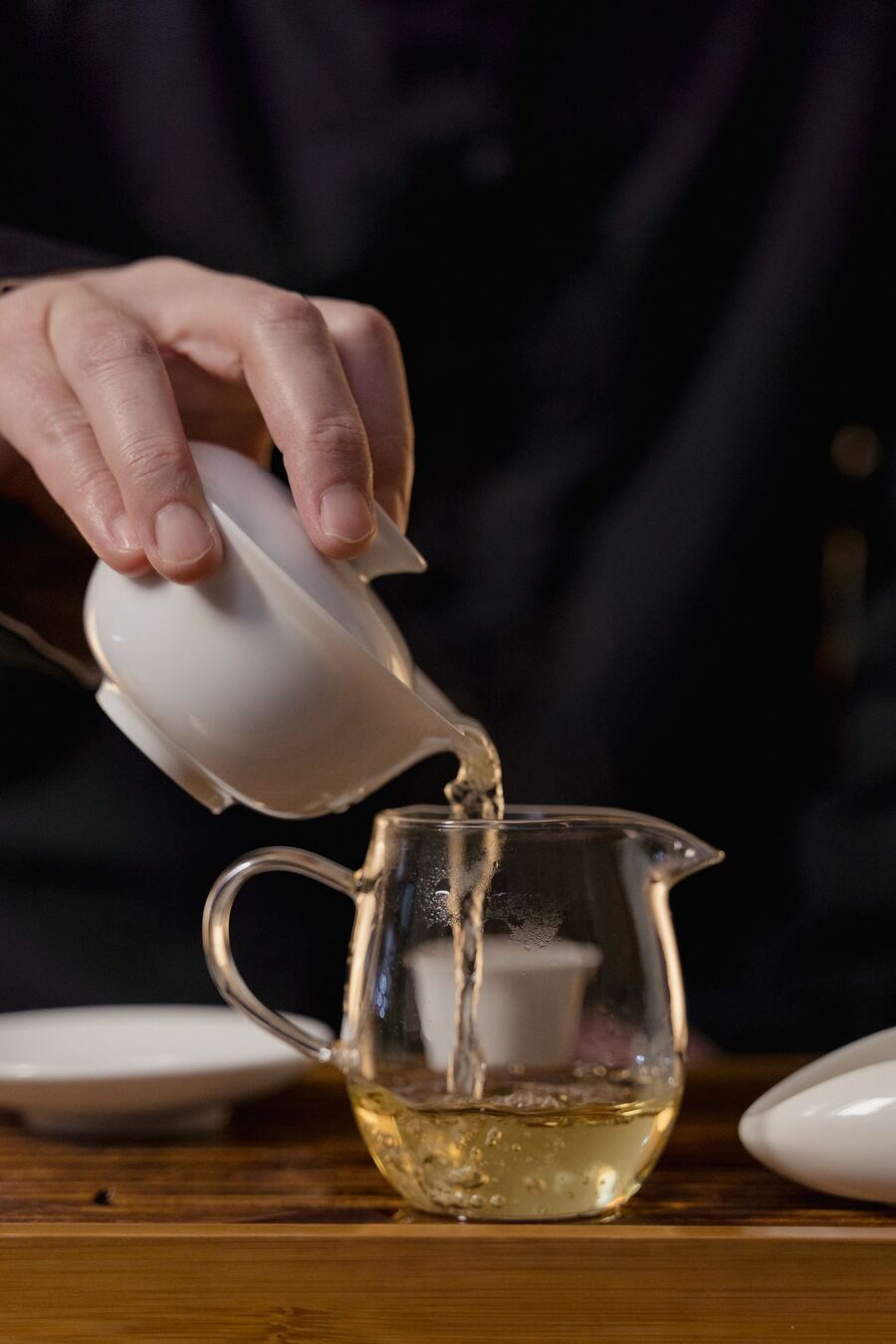
A quiet ritual — like preparing a cup of tea slowly — can be part of it too. The goal is not just to feel better in the treatment room, but to keep that steadiness in your daily life.
Feeling like yourself again
All the negative feelings and physical side effects I felt are gone.— Alicia K.Morristown, NJ · age 26
After 3.5 years of doctor visits, I can finally turn my head. Now no more medications.— Priscilla B.Flanders, NJ · age 75
Exceptionally knowledgeable — even though it is a 30-minute ride, it was worth it!— Diane F.Long Valley, NJ · age 56
An amazing way to de-stress before my medical school boards.— Peter L.Morristown, NJ
Five months later I'm off my blood pressure pill with my doctor's blessing — and I don't smoke anymore.— Glenda H.Union, NJ · age 55
I was told up front there was a 50/50 chance. I really appreciated the honesty — and the ringing has improved significantly.— Audrey R.Rockaway, NJ · age 60
Questions about anxiety, depression & sleep
Can acupuncture help anxiety without medication?
Many patients use acupuncture and herbs to manage anxiety, and some prefer to avoid medication. If you already take medication, acupuncture can be used alongside it; any change should be made with your prescribing doctor.
How soon will I sleep better?
Some people sleep better the very night of their first treatment. For long-standing insomnia, expect gradual improvement over several weeks of regular sessions plus herbs.
Can acupuncture help me quit smoking?
Yes, addiction control is on the WHO list. One of our patients, a smoker for 40 years, noticed cravings substantially decrease in the second week and stopped smoking within the first month of treatment.
Related pages
Ready to feel like yourself again?
Call the office nearest you to schedule. New patients should allow about 90 minutes for the first visit, which includes a full health history, pulse and tongue diagnosis and your first treatment.