Tui Na & Medical Massage
Hands-on Chinese bodywork that follows the same meridians as acupuncture — to loosen muscles, free joints and speed recovery.
Tui Na & medical massage at a glance
- What it is
- Tui Na is a form of Chinese hands-on manipulative therapy using acupressure, kneading, rolling and joint mobilization to bring the body into balance.
- Medical massage
- Targeted therapeutic massage for specific injuries and pain patterns, provided by a licensed massage therapist.
- Your practitioner
- Ni-Fei Hsieh is licensed as both an acupuncturist and a massage therapist in New Jersey and New York; Cindy Hsieh Ren has trained in Tui Na manipulation.
- Often used for
- Neck, shoulder and back pain, sciatica, sports injuries, arthritis, tension headaches and recovery after acupuncture.
Chinese bodywork that follows the meridians
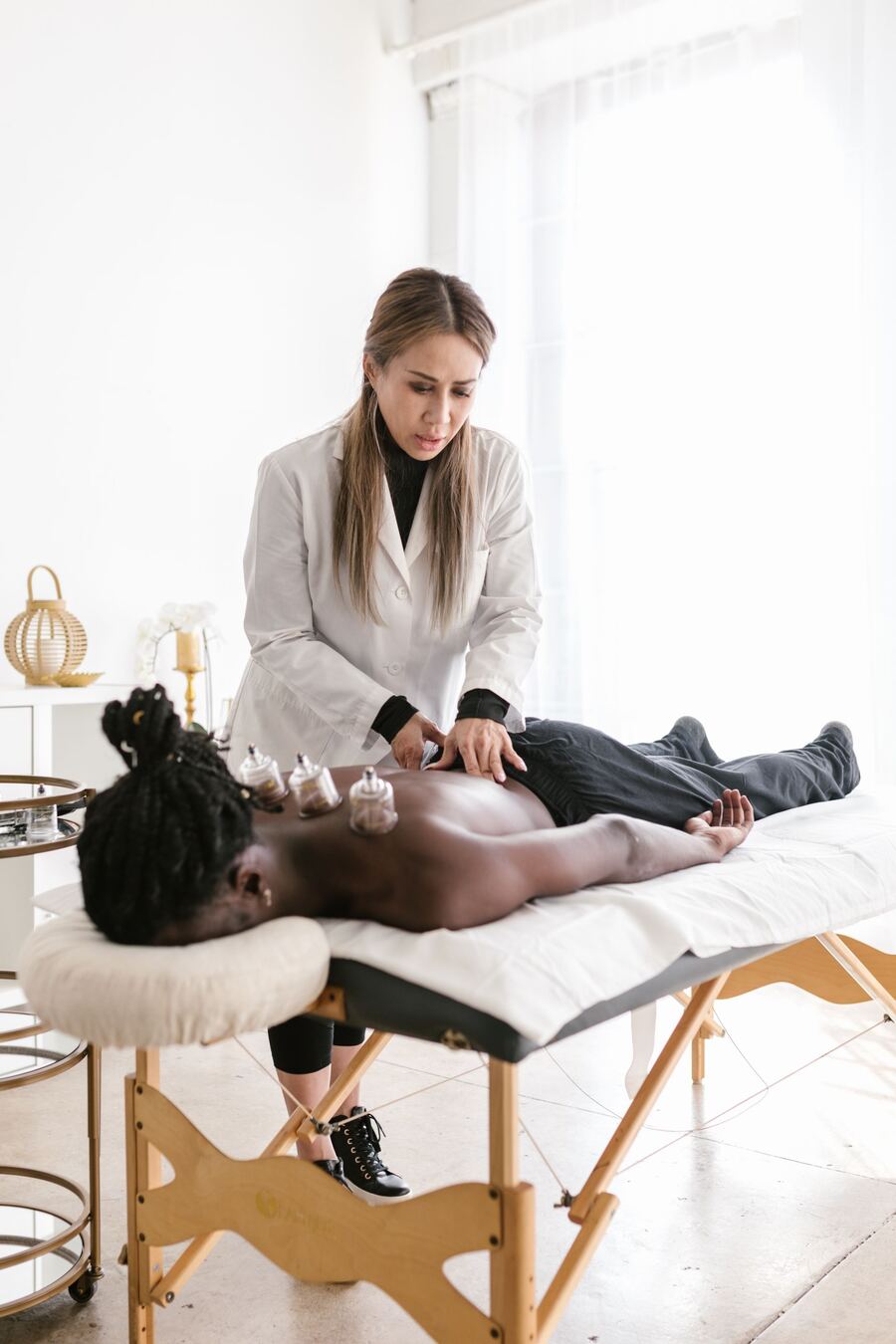
Tui Na (推拿, "push and grasp") has been part of Chinese medicine for more than two thousand years. Unlike a relaxation massage, it works along the same channels and points used in acupuncture, combining soft-tissue techniques with acupressure and gentle joint mobilization. Its purpose is to bring the body into balance — releasing muscles that are guarding an injury, freeing stiff joints and moving circulation where it has stagnated.
In our clinic, Tui Na and medical massage are most often used right after needling, when muscles are already relaxed and respond quickly. One patient with shoulder pain described it well: needles first, then a TENS unit to twitch and loosen the muscles, then medical massage to loosen them further. "I didn't know acupuncture involved these different treatments."
A 70-year-old patient from New York wrote to thank us for "acupuncture and Tui Na on my lower back and on my hands. The back is noticeably stronger, and the arthritis in the hands is diminished."
What Tui Na includes
Acupressure
Sustained finger and palm pressure on acupuncture points to calm pain and regulate the channels.
Rolling & kneading
Rhythmic techniques that warm and soften large muscle groups and fascia.
Joint mobilization
Gentle stretching and movement to improve range of motion in the neck, shoulders, hips and spine.
Trigger point release
Focused work on tight knots that refer pain elsewhere, such as into the head or arm.
Home exercises
Simple daily exercises so the improvement holds between visits.
Combined care
Paired with acupuncture, cupping, gua sha or moxibustion for the strongest effect.
Qigong: movement as medicine
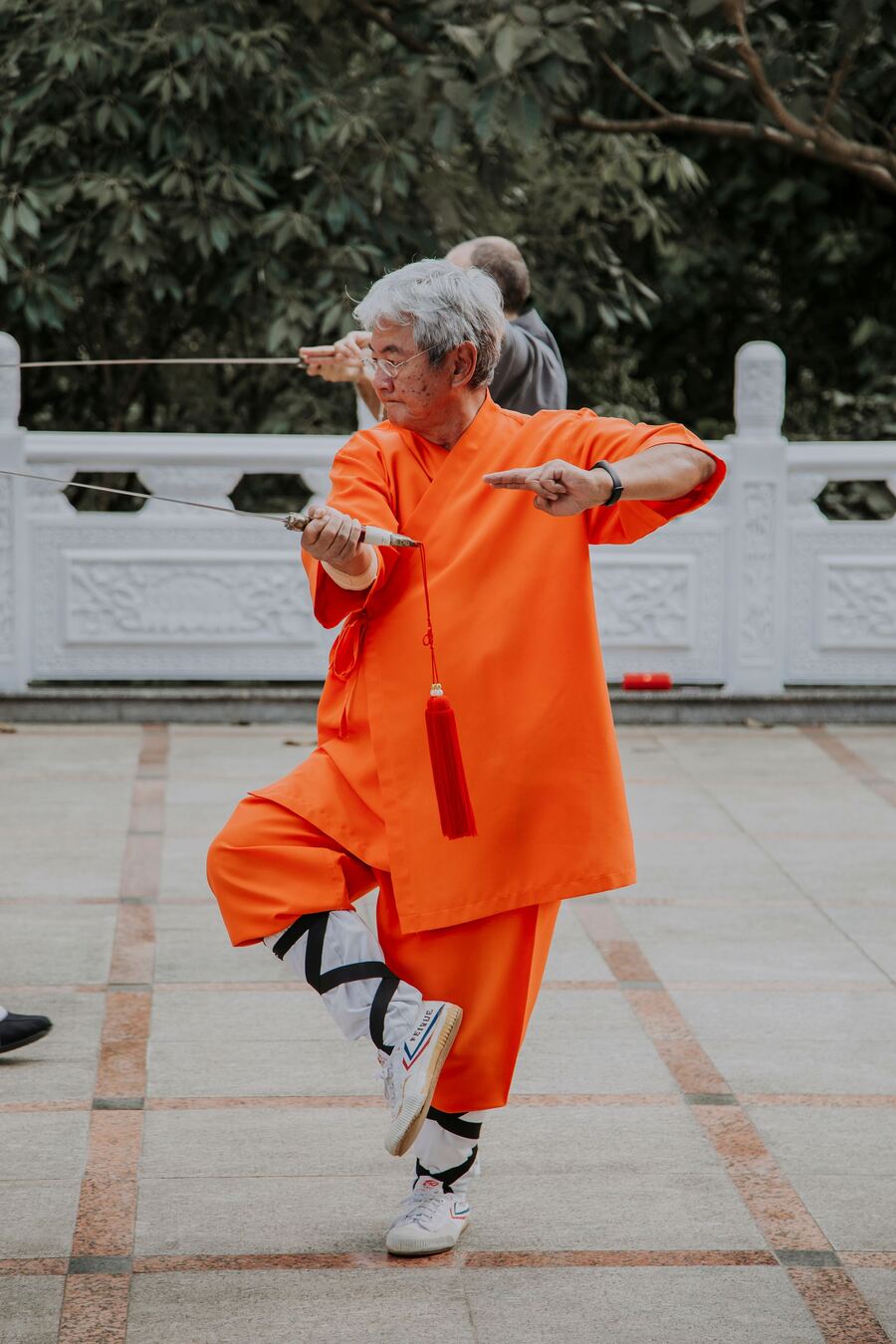
Qigong involves the coordination of breathing patterns with physical postures and slow movements. It is mostly taught for health maintenance. Cindy Hsieh Ren has trained in Medical Qigong, and simple Qigong-based breathing and movement routines are often part of the home program we give patients recovering from pain, stress or illness.
Practiced daily for even ten minutes, these routines help maintain the balance acupuncture restores — and give you an active role in your own recovery.
Hands-on results
With spring here I can do yard work without pain — and I don't plan on visiting an orthopedist.— Robert K.Parsippany, NJ · age 58
I was told the next step was hand surgery. After a few months of treatment my hand has almost no pain and full range of motion.— John C.Denville, NJ · age 60
Five days later I completed a 20-mile bike tour and never once thought about my knee.— Adam L.New Providence, NJ · age 45
Related pages
Ready to feel like yourself again?
Call the office nearest you to schedule. New patients should allow about 90 minutes for the first visit, which includes a full health history, pulse and tongue diagnosis and your first treatment.